

Kawthar as Divine Abundance: Scholar Highlights Spiritual Status of Lady Fatimah

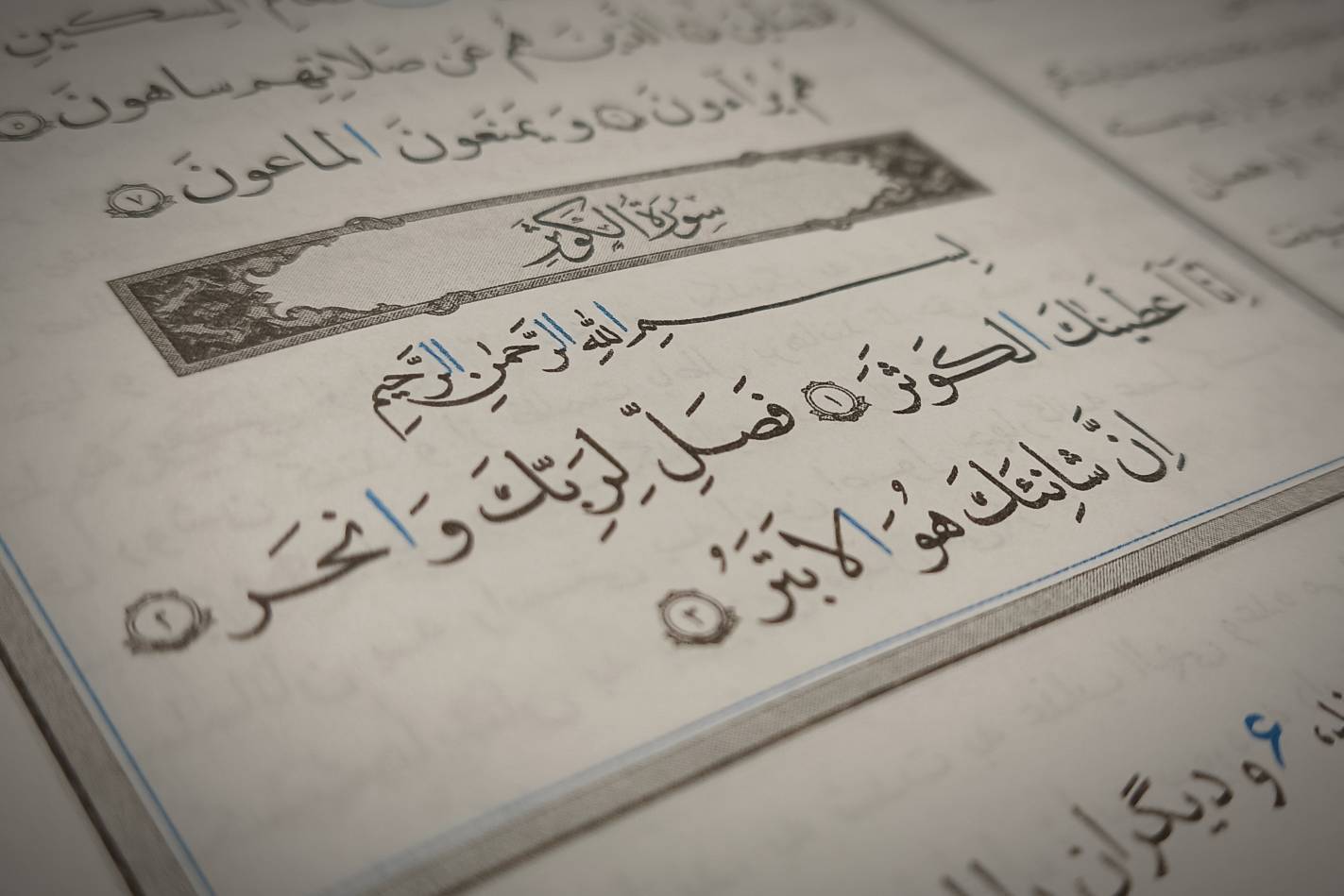
The remarks were made by Hojat-ol-Islam Morteza Adib-Yazdi during an interview with IQNA in which he reflected on the historical and spiritual background of Surah al-Kawthar and its connection to the birth of Lady Fatimah (SA).
Adib-Yazdi said the term kawthar represents a special mercy from God through which “all goodness and blessings of this world and the Hereafter flow toward the Prophet and his community.”
He added that the Quranic phrase “Indeed, We have granted you kawthar” is unparalleled in the entire text of the Quran.
He explained that the revelation of Surah al-Kawthar came at a time when Prophet Muhammad (PBUH) was grieving the loss of his son, Tahir, and facing mockery from polytheists who claimed his lineage would end.
According to Adib-Yazdi, this period of sorrow was followed by divine reassurance, when the Angel Gabriel conveyed the promise of a gift that would fulfill the Prophet’s hopes forever.
Read More:
The scholar said reports indicate that the Prophet awaited the fulfillment of this promise with great anticipation. Gabriel later returned with the declaration “Indeed, We have granted you kawthar,” announcing the birth of a daughter described as “abundant good.”
Adib-Yazdi emphasized that kawthar appears only once in the Quran and is exclusive to the Prophet.
He described it as a divine means through which abundant goodness reaches both the Prophet and his Ummah. He added that the wording “We have granted you” is also unique in the Quran, underscoring the singular nature of this gift.
He further highlighted the status of Lady Fatimah as a figure of infallibility and a living embodiment of the Quran in practice. Raised in the household of revelation, she became, he said, an unparalleled model of faith and conduct.
Read More:
Lady Fatimah, the daughter of Prophet Muhammad and Lady Khadijah, holds a central position in Islamic thought, particularly in Shia tradition.
She is revered as the mother of the Imams, the wife of Imam Ali (AS), and a symbol of piety, resilience, and moral integrity.
Her life is often cited as a lasting example of devotion, family life, social responsibility, and spiritual leadership. She represents the continuation of the Prophet’s mission and the living manifestation of kawthar as enduring and abundant good.
4322713
