

Najaf: Hazrat Zahra Courtyard Inaugurated, Marking One of Islam’s Largest Shrine Expansions

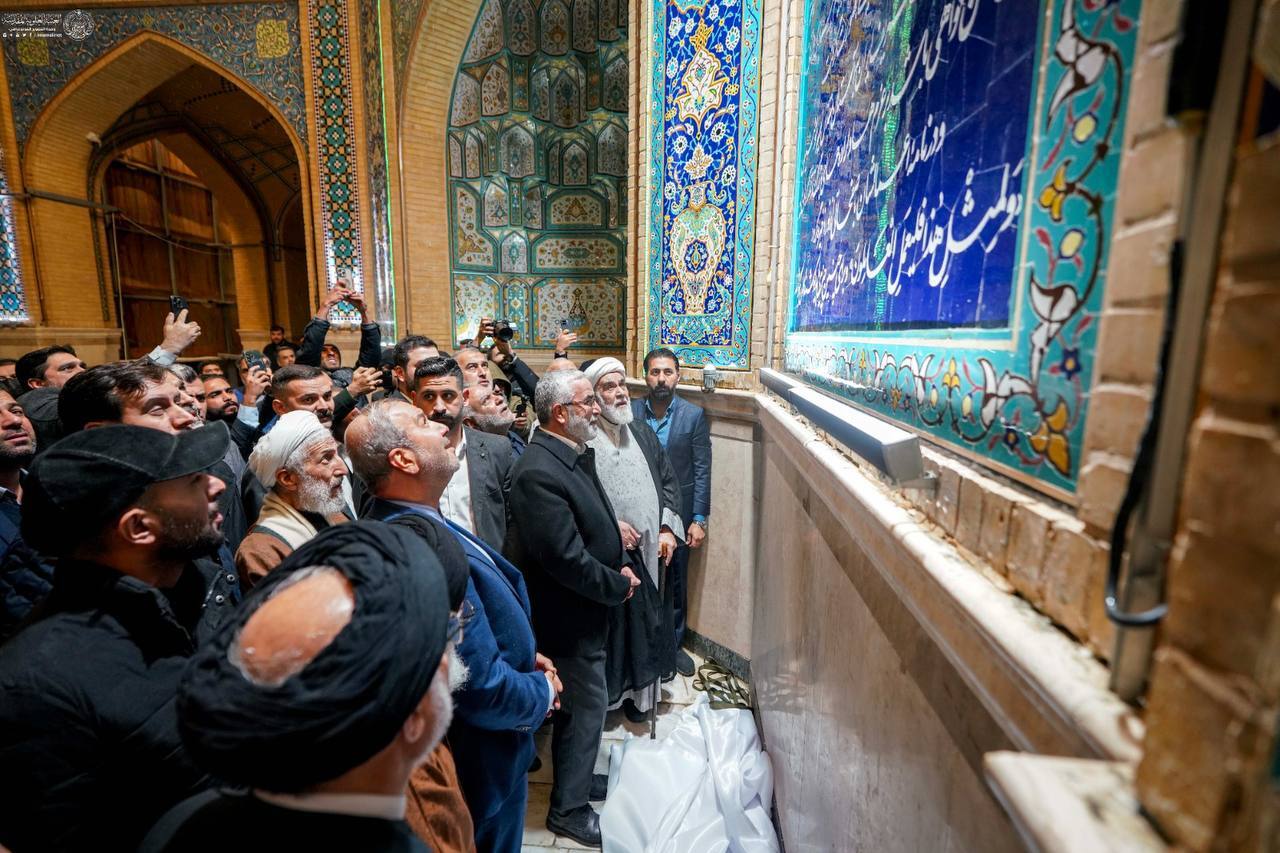
After 14 years of public participation and efforts by devotees of the Ahl al-Bayt (AS), the construction of the Hazrat Zahra (SA) Courtyard adjacent to the shrine of Imam Ali (AS) has been completed and formally handed over to the custodianship of the shrine in Najaf, Iraq.
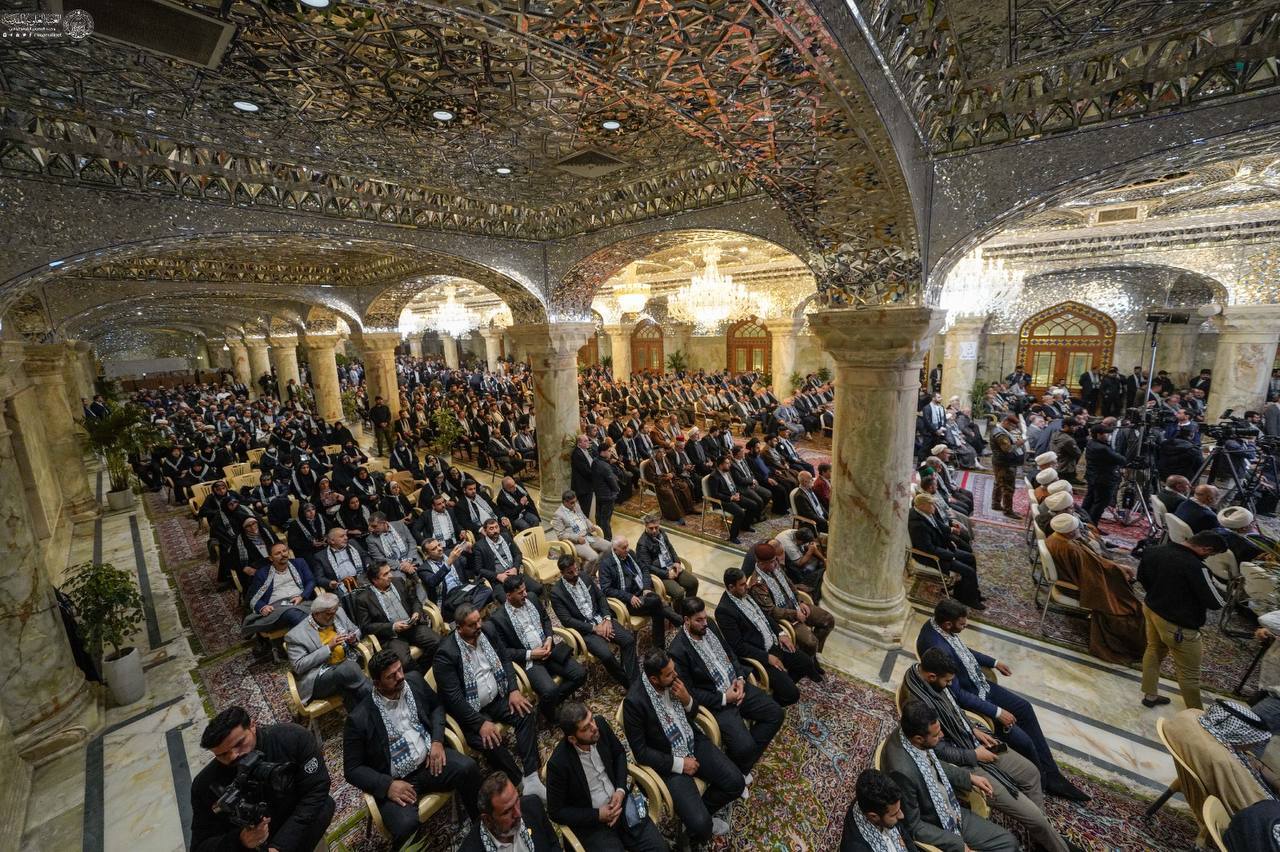
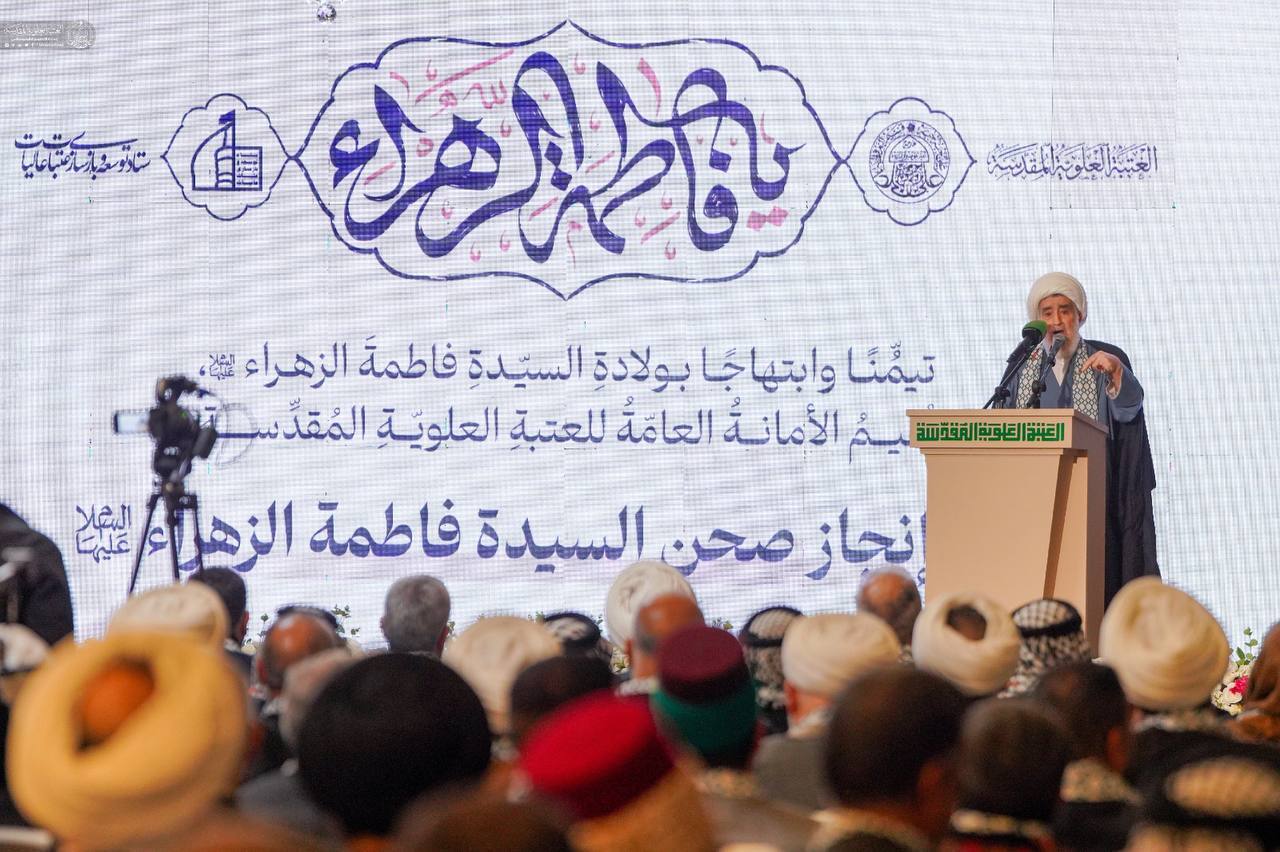
The inauguration ceremony was held on Wednesday with senior Iranian and Iraqi officials in attendance. The project is widely described as a gift from devotees of Lady Fatima (SA) to the shrine of her husband, Imam Ali (AS), the first Imam of Shia Islam.
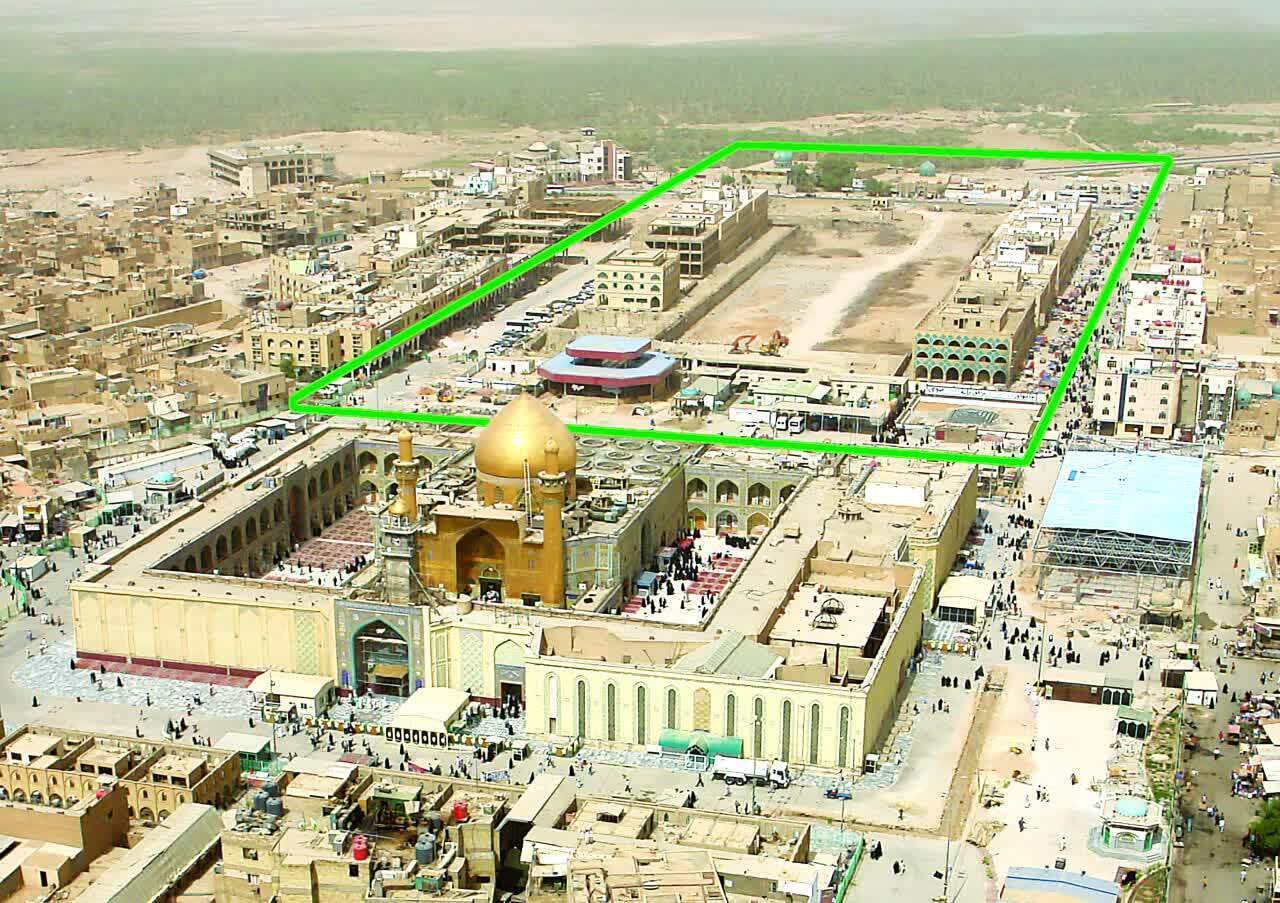
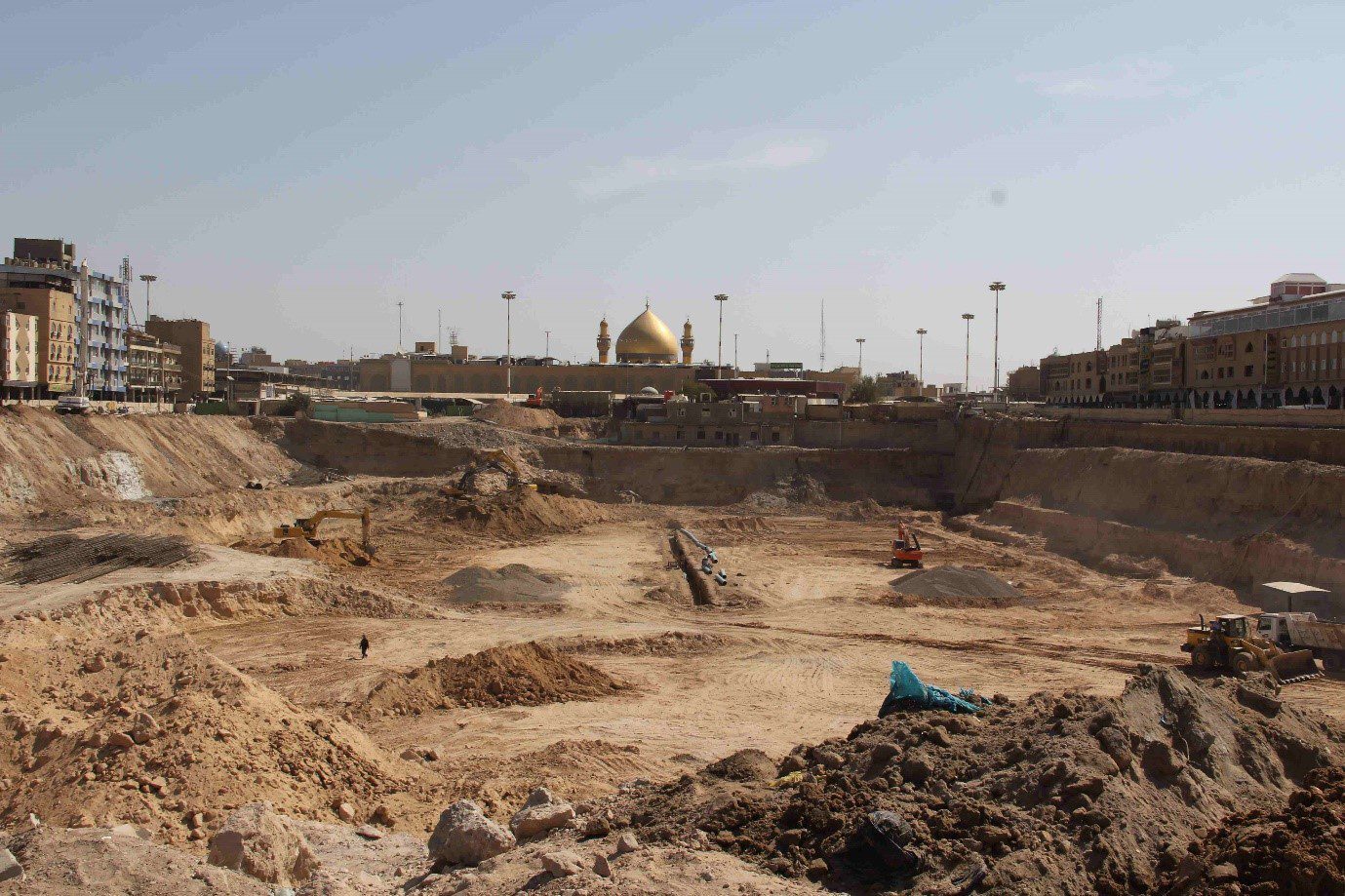
Until the early 2010s, the shrine was relatively limited in size, consisting mainly of the chamber housing the sacred shrine and several small adjoining rooms. Following the fall of Saddam Hussein and the subsequent increase in access for pilgrims—particularly with the global expansion of the Arbaeen pilgrimage—the need to expand the shrine became increasingly urgent.
In response, the shrine’s administration launched a major expansion plan. Its first and largest phase was the construction of the Hazrat Zahra Courtyard, a vast complex built on the western side of the shrine. The project was launched in 2011 on a site measuring roughly 400 meters in length and 150 meters in width, with a total built-up area of about 220,000 square meters.
Read More:
Iran’s Headquarters for the Reconstruction and Development of Holy Shrines oversaw the project. Officials describe it as the third-largest religious expansion project in the Islamic world, after the expansions of the Grand Mosque in Mecca and the Prophet’s Mosque in Medina.
A dedicated public donation system enabled Shia Muslims and devotees worldwide to contribute financially.
Despite brief disruptions during the COVID-19 pandemic, construction continued steadily. Over the past 14 years, several worship areas within the courtyard were opened to pilgrims in phases. Tuesday’s ceremony marked the official completion of the entire project and its full transfer to the shrine’s administration.
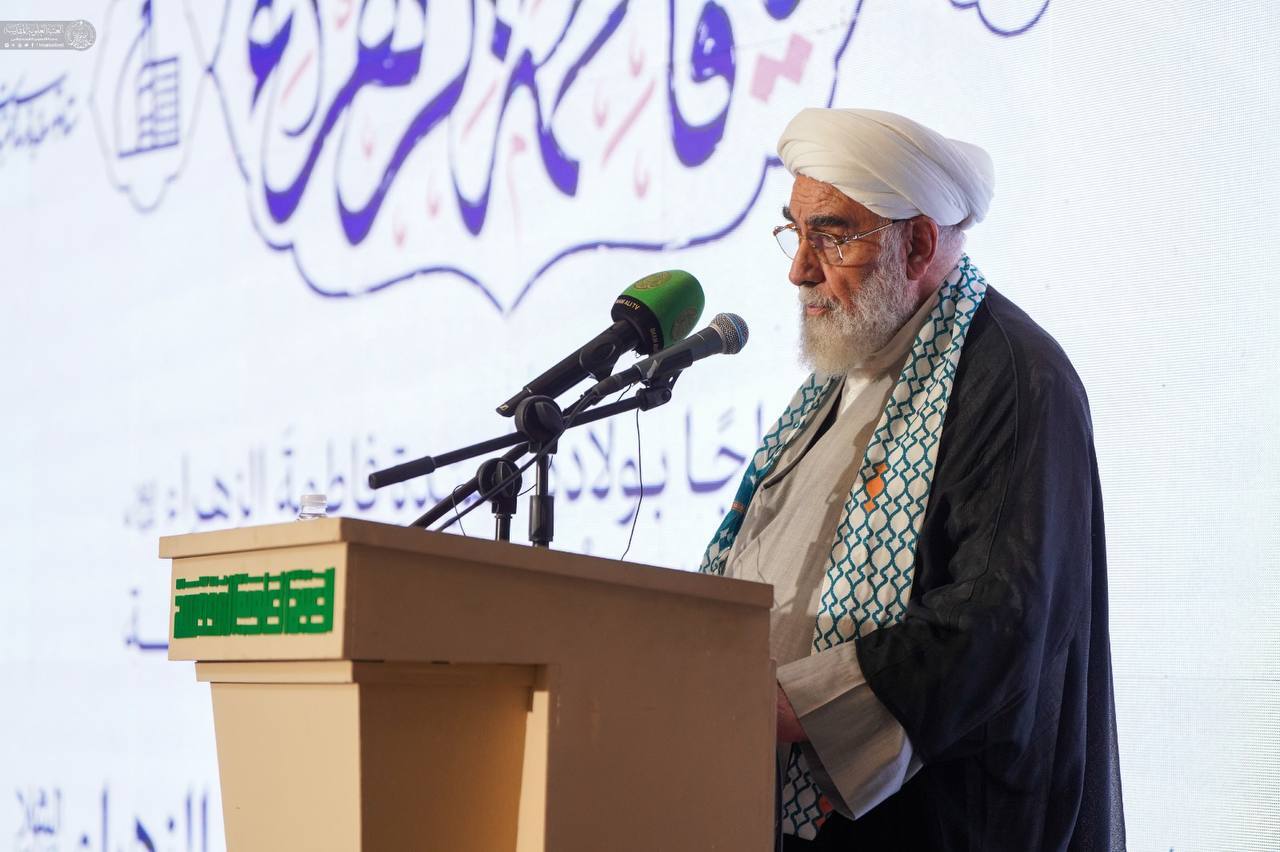
The event was attended by senior religious and political figures, including Hojat-ol-Islam Mohammad Mohammadi Golpayegani, head of the office of the Islamic Revolution Leader; officials of the Imam Ali Shrine; Seyed Mehdi Khamoushi, head of Iran’s Awqaf and Charity Affairs Organization; and Hassan Palarak, deputy head of the board of trustees of the shrine reconstruction headquarters, along with numerous Iranian and Iraqi officials.
Speaking at the ceremony, Mohammadi Golpayegani praised the work of engineers and artists involved in the project, saying the courtyard reflects “the love and devotion of the people of Iran, Iraq, and other countries toward the Ahl al-Bayt.”

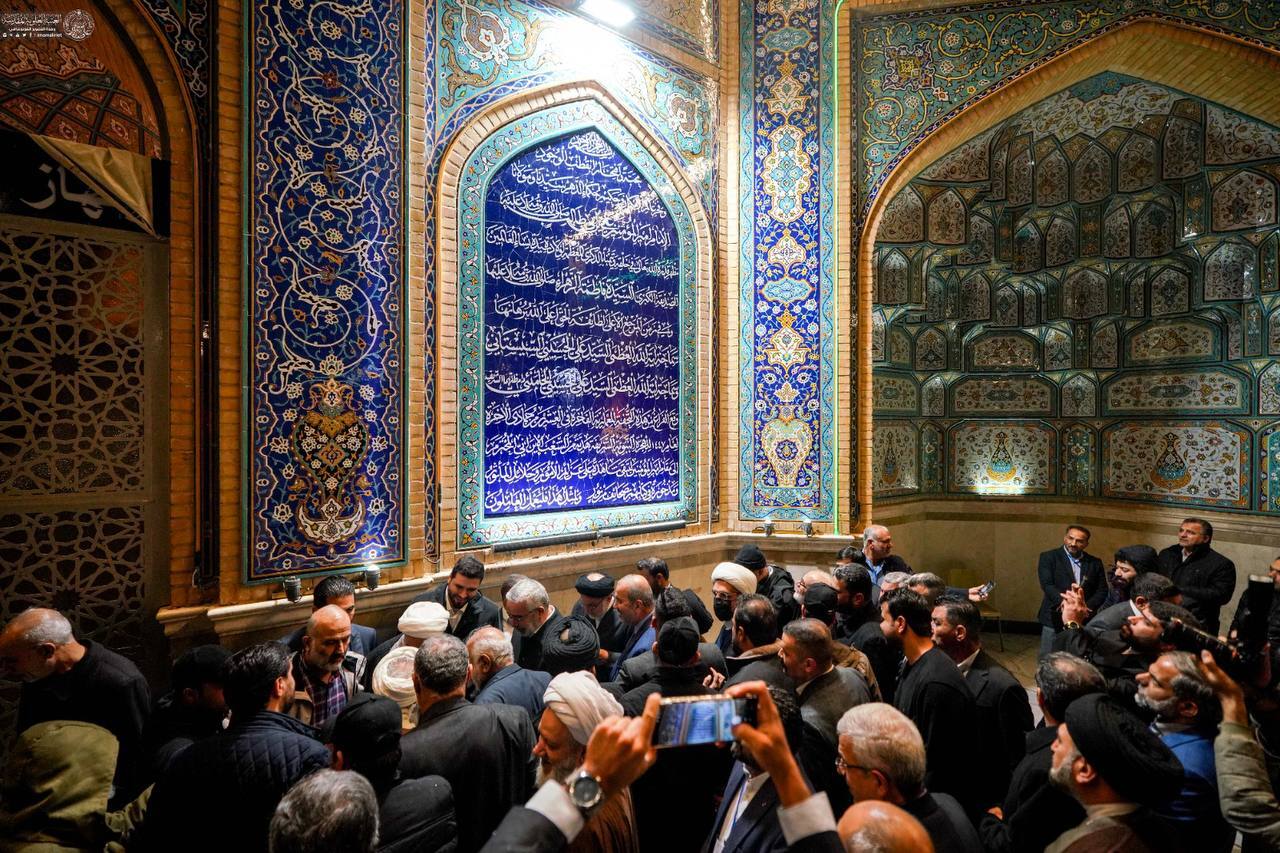
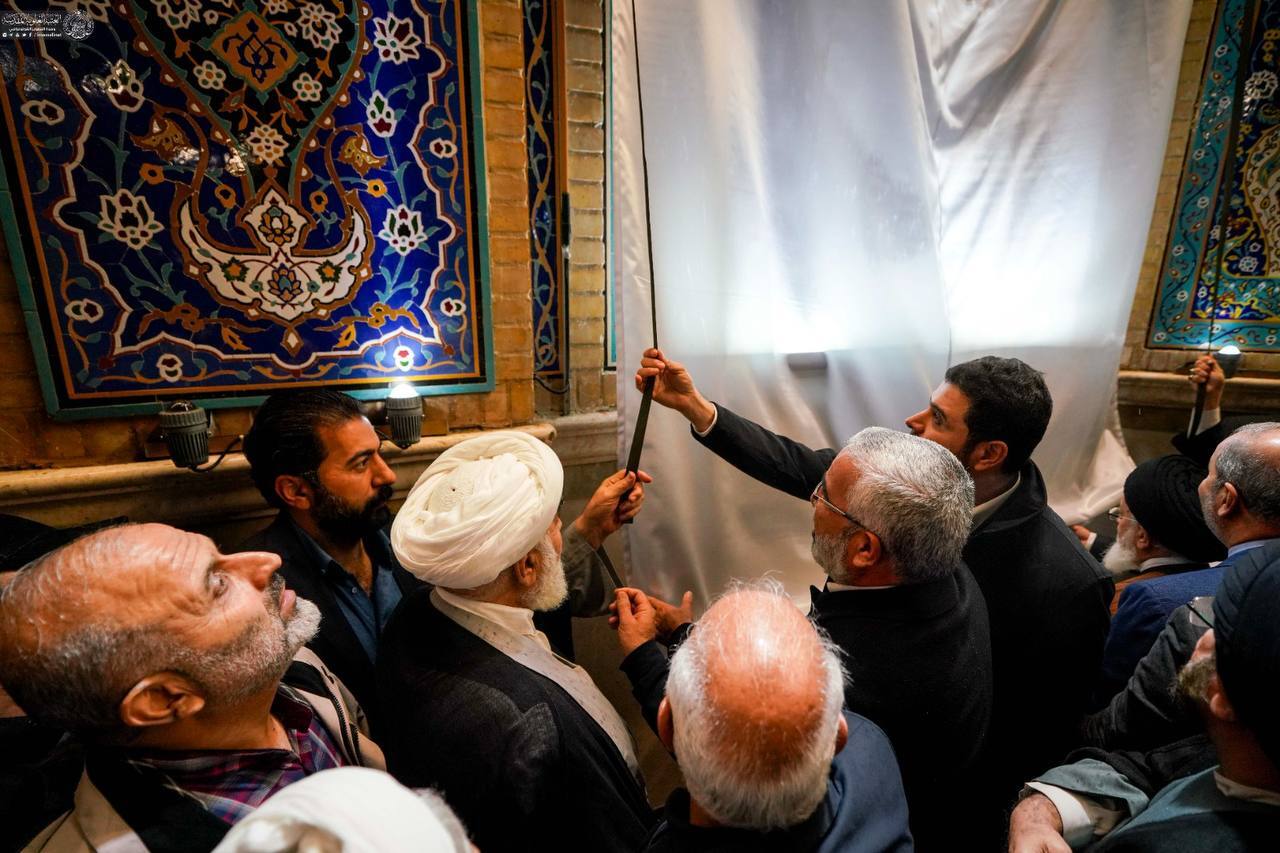
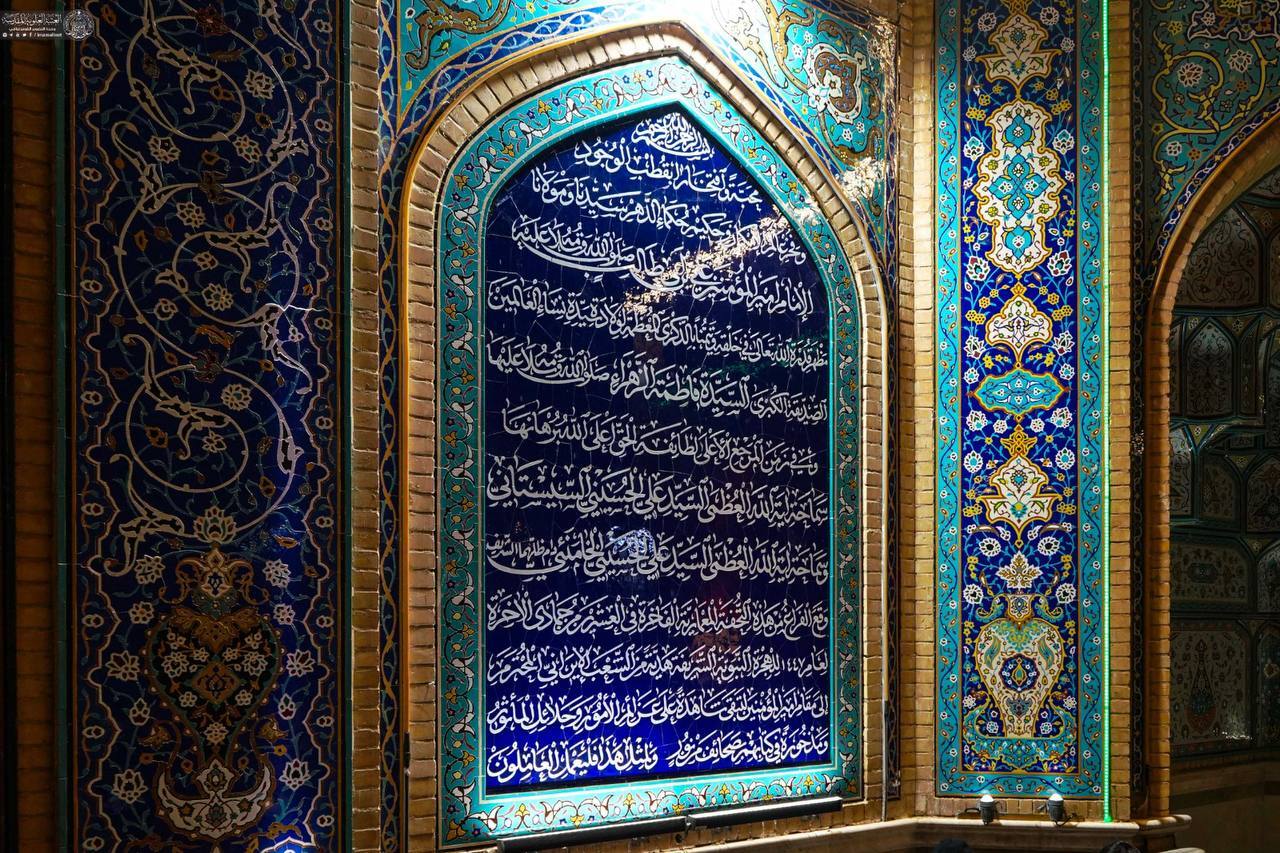
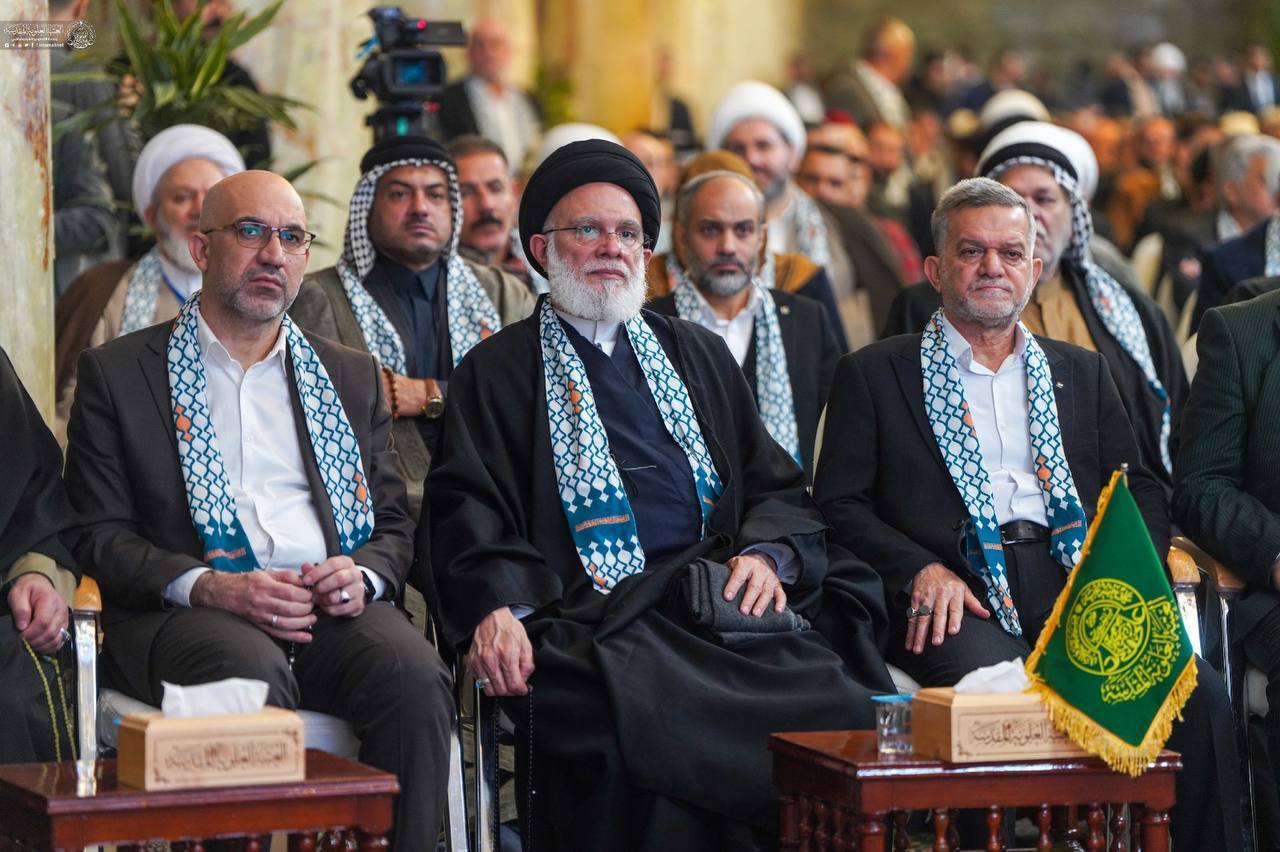
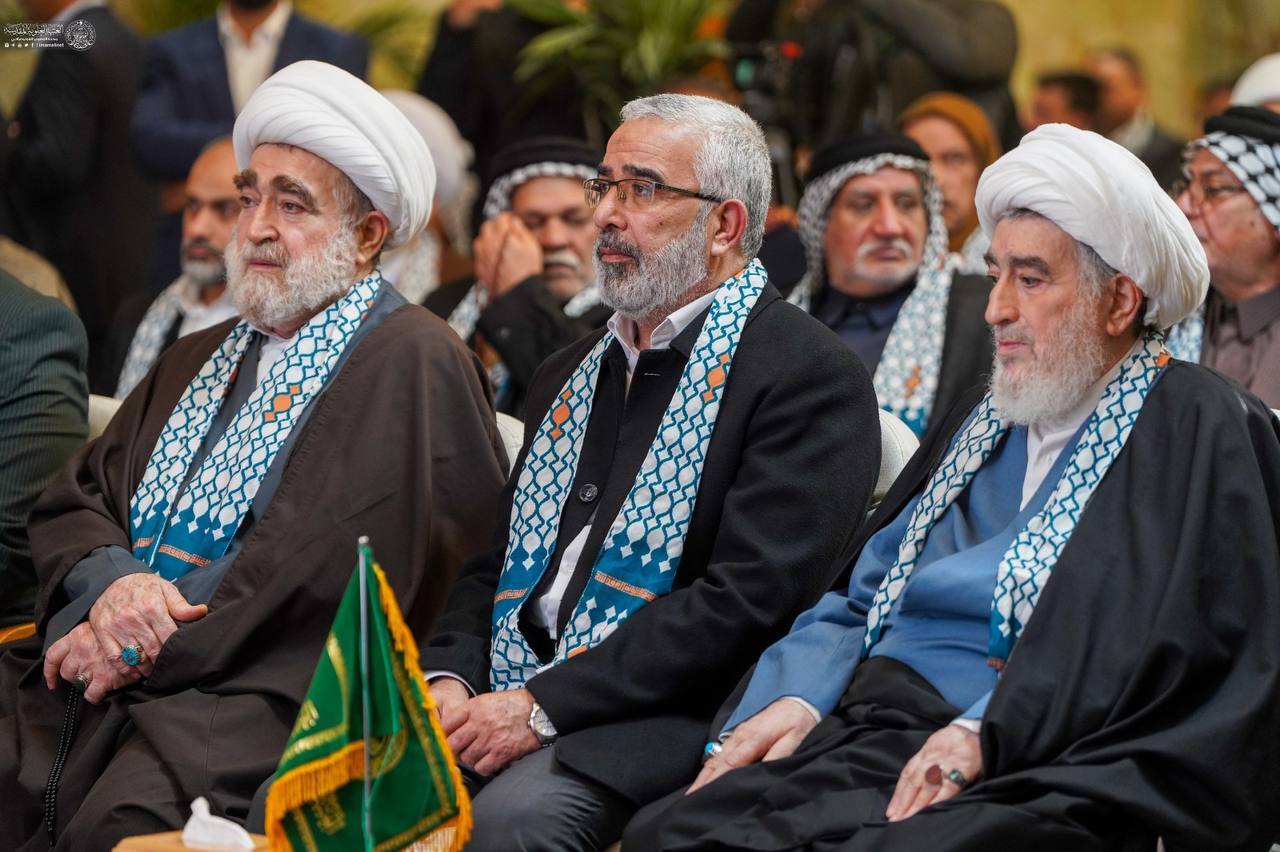
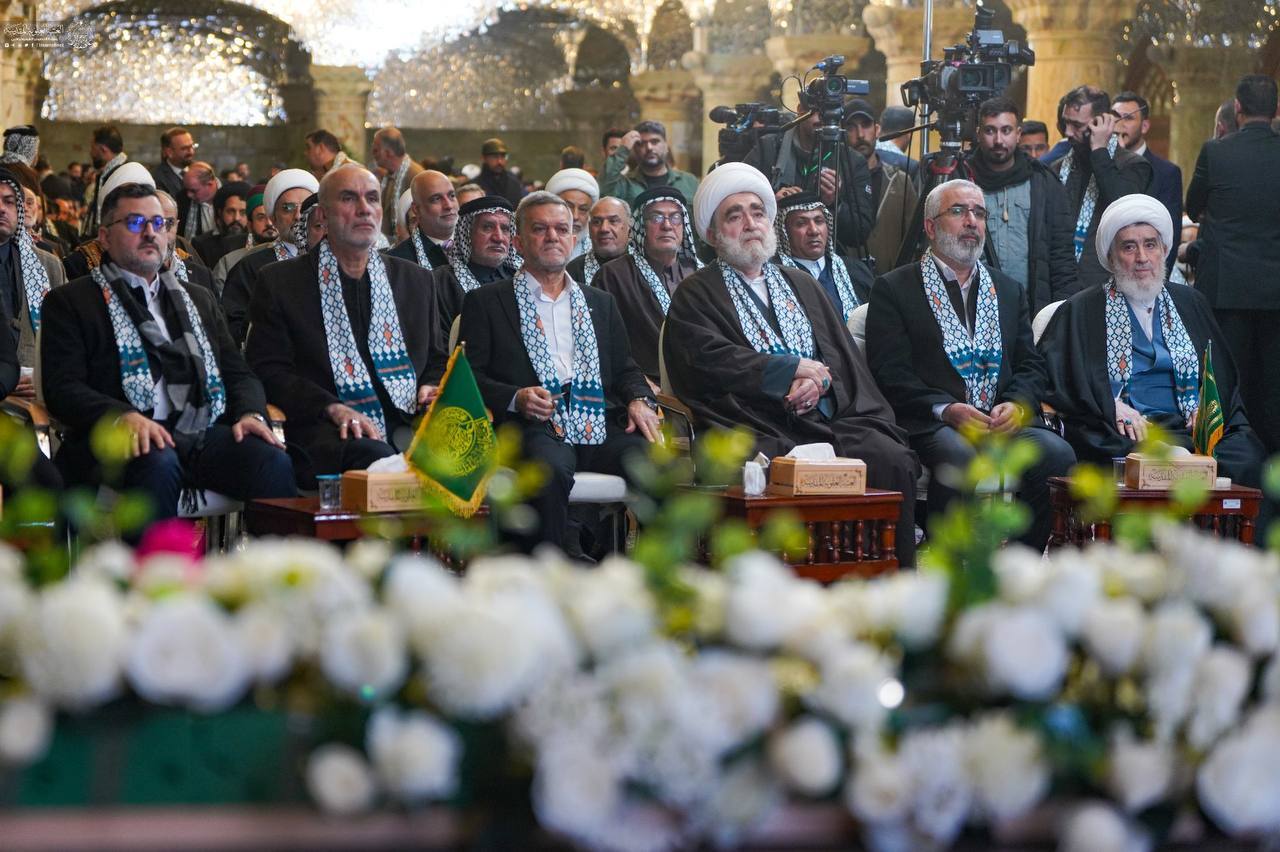
On the sidelines of the inauguration, Hassan Palarak told reporters: “We thank God for granting the Iranian people the opportunity to establish a place named after Lady Fatima (SA) next to the shrine of her noble husband. This courtyard has been completed through the devoted and heartfelt efforts of the people.”
He added: “Not even one-thousandth of the work done here can be captured by any camera.” Palarak said the courtyard, with a built-up area of around 230,000 square meters, was completed in less than five years of intensive construction work, using Islamic architecture and contributions from many artists across the Islamic world.
Palarak also outlined other ongoing projects, including the expansion of the Imam Hussein (AS) Shrine in Karbala, where four new courtyards are planned.
About Hazrat Zahra Courtyard
The Hazrat Zahra Courtyard is one of the largest and most elaborate expansion projects in the history of the Shia holy shrines. It is designed to fully meet the religious, cultural, and service needs of the Imam Ali Shrine complex and is divided into two main sections: worship (ziyarat) and non-worship areas.
A standout architectural feature is the construction of what is described as the largest muqarnas—an intricate form of Islamic vaulted decoration—ever built in an Islamic space.
The complex also features extensive plasterwork, traditional Yazdi-style ceiling elements, refined calligraphy panels with Quranic verses and supplications, and exterior tile mosaics. Officials describe the courtyard as a permanent museum of Iranian-Islamic architectural art.
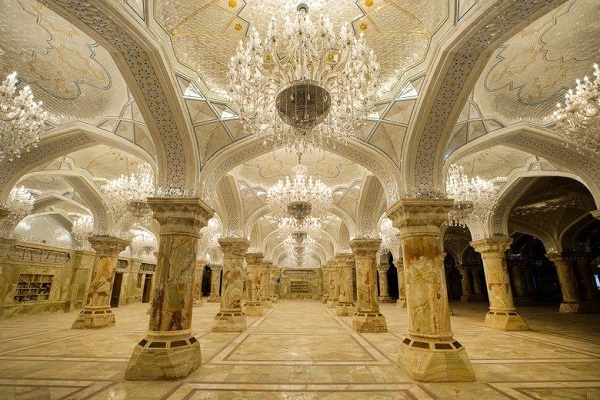
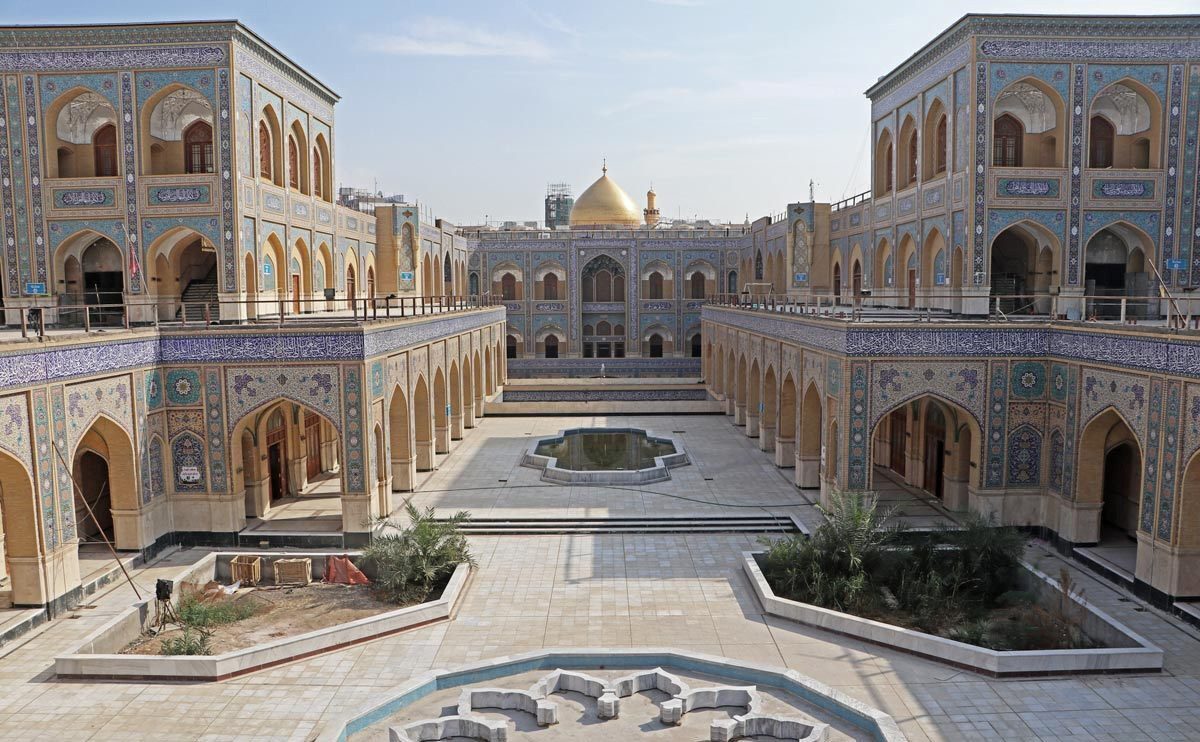
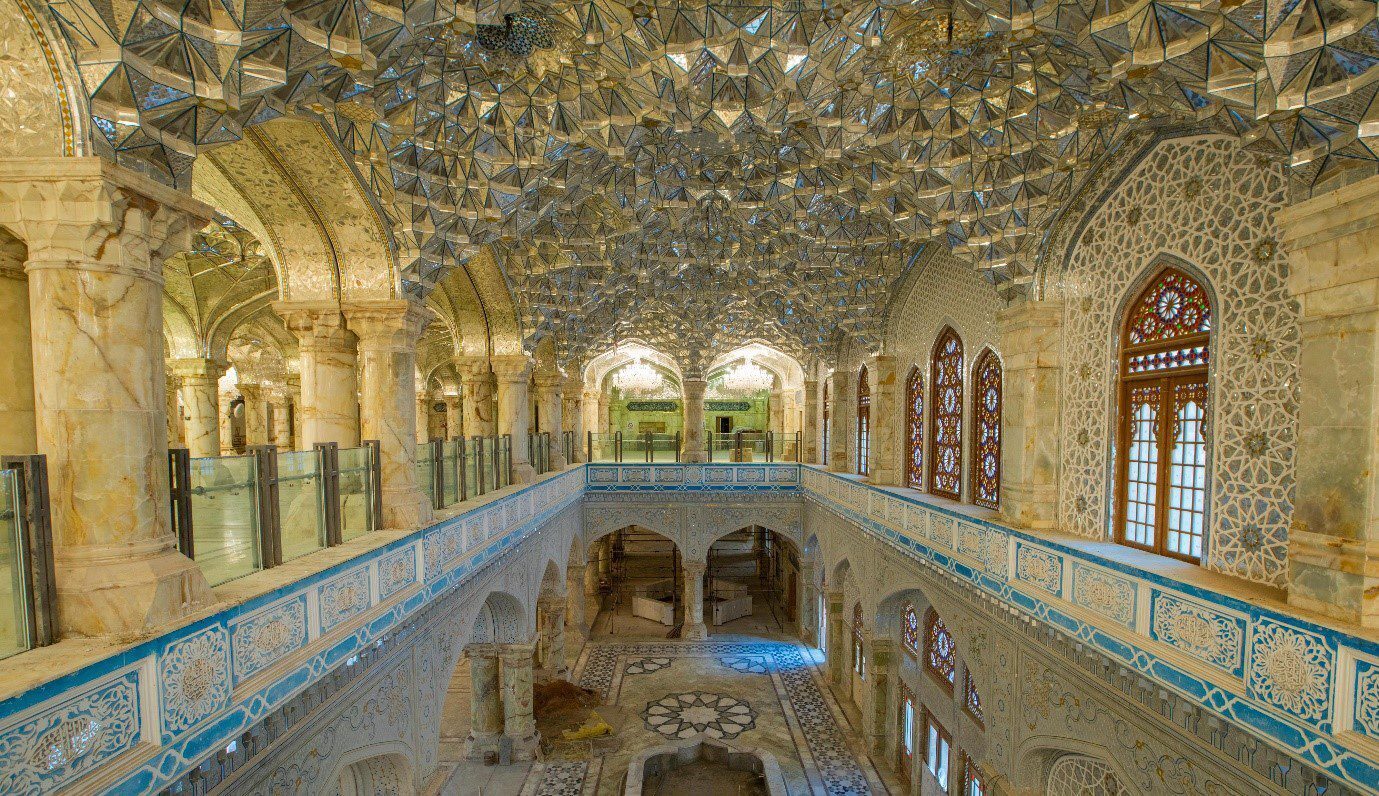
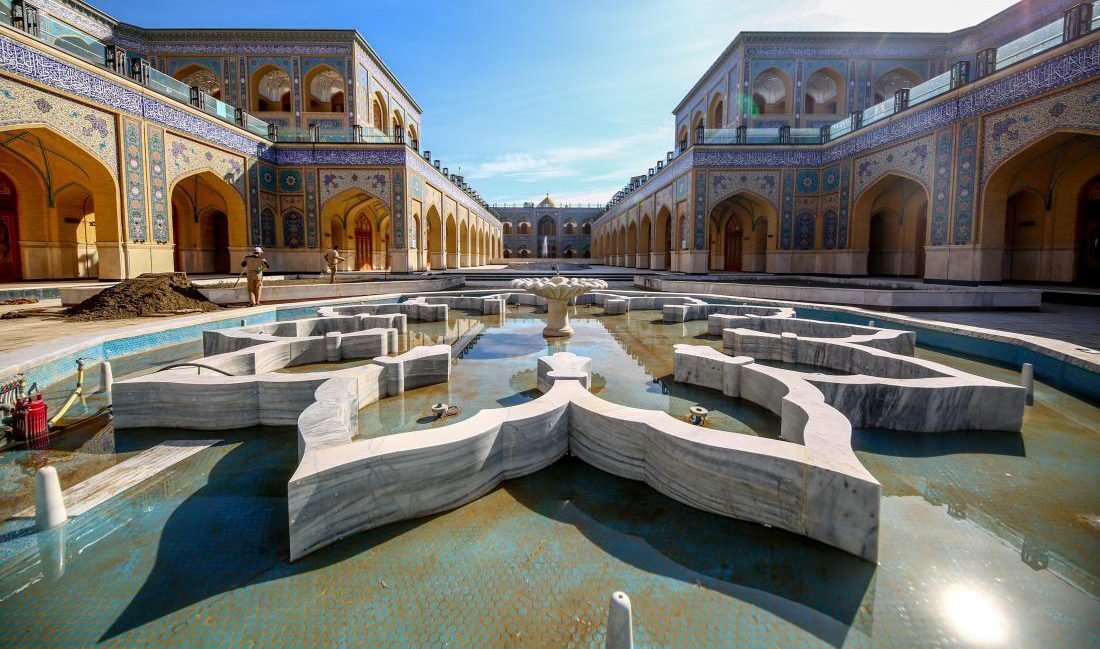
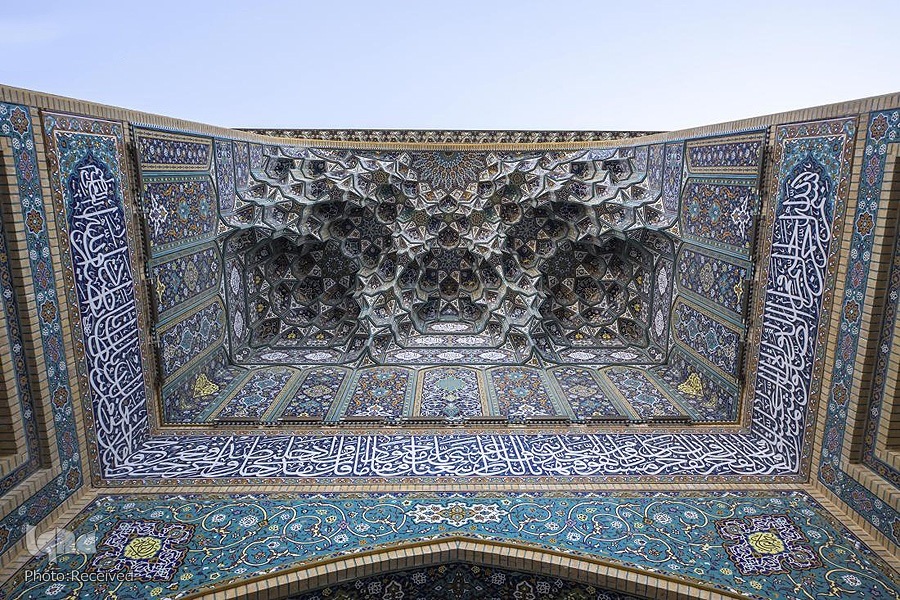
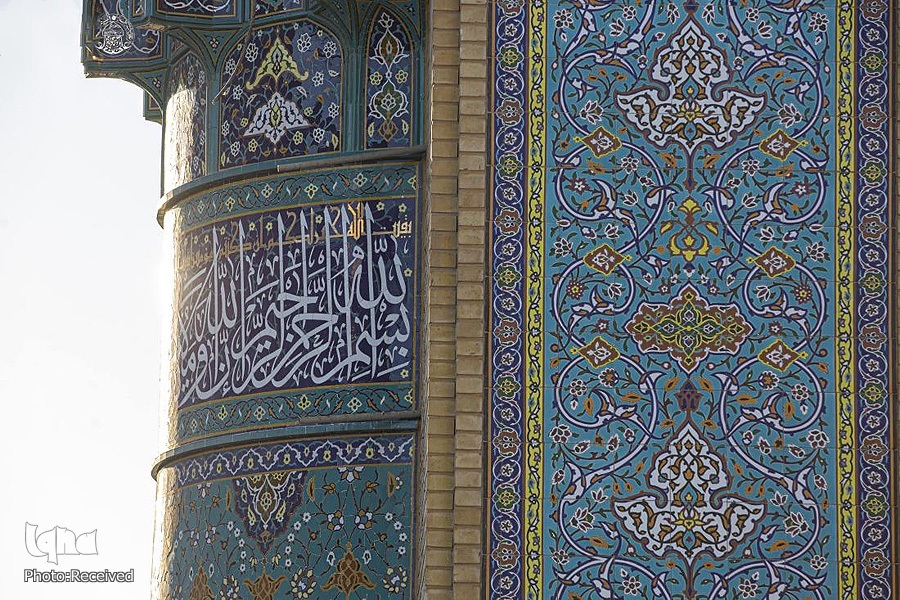
The worship section covers 29,000 square meters and consists of four main floors and three mezzanine levels, with a total area of about 85,000 square meters. It can accommodate up to 100,000 pilgrims per hour. Its facilities include three levels of prayer halls, an open courtyard, seminary spaces, medical units, technical facilities, storage areas, sanitation services, and other visitor services.
The interior prayer halls feature stonework on more than 1,200 columns, with each level finished in a distinct type of stone. More than 800 interior domes span the halls, highlighting the scale and grandeur of Islamic-Iranian architecture.
The non-worship section includes a museum, library, administrative buildings, guesthouse and traditional hospitality hall (mudhif), restaurant, ablution and sanitation facilities, and a dedicated parking area. These spaces are intended to provide cultural, welfare, and logistical support for pilgrims.
The six-story library, built on 3,100 square meters, has capacity for more than 250,000 volumes. The guesthouse and hospitality facilities can prepare up to 10,000 meals per serving.
Read More:
Sanitation facilities include 900 units, capable of serving more than 140,000 pilgrims when combined with existing services around the shrine. The museum itself spans six floors with a total area of 18,000 square meters.
With the completion of the Hazrat Zahra Courtyard, the Imam Ali Shrine now features modern worship spaces inspired by classical Iranian-Islamic architecture—spaces that many pilgrims from Iran and beyond have already experienced during Arbaeen processions and visits to Najaf.
4323563/ 4323194/ 4323183
